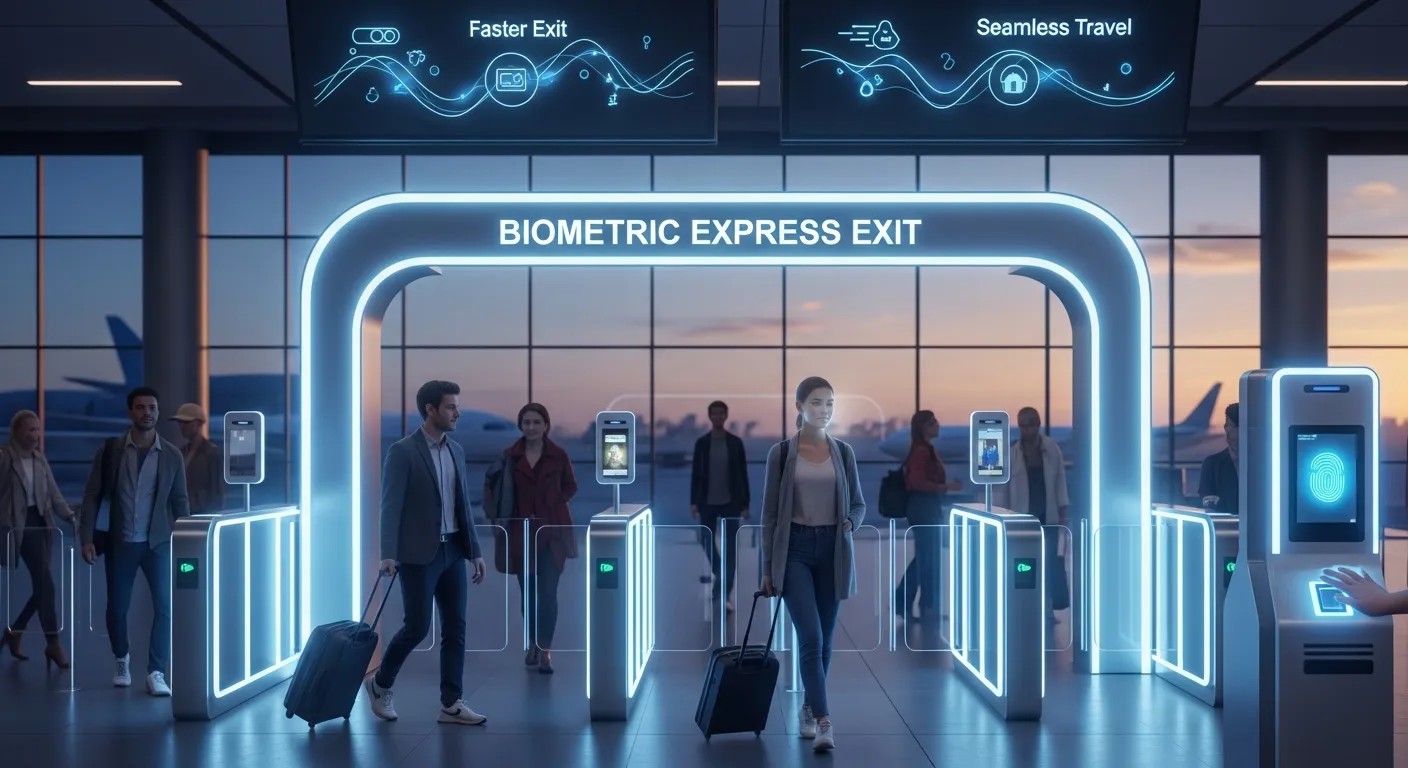
Airport Biometric Tech is reshaping airport journeys by reducing queues, speeding identity checks, and making departures and arrivals feel calmer, clearer, and more predictable for travelers everywhere.
Travel used to begin with standing in lines, pulling out documents, and guessing how long every checkpoint might take. Today, biometric technology is changing that experience by replacing friction with faster identity verification, smoother movement, and a more confident passenger journey. For travelers who want less stress and more certainty, Airport Biometric Tech is becoming one of the most important upgrades in modern aviation.
What makes this shift so powerful is not only speed. It is the feeling of control. biometric technology can reduce confusion, lower the mental load of checking papers again and again, and help passengers move through airports with fewer interruptions. That matters because airport stress is not only about time. It is about uncertainty, crowded spaces, and the fear of missing a flight. When Airport Biometric Tech works well, it gives people a cleaner path from entry to exit.
The idea behind biometric technology is simple: use unique physical traits like a face, fingerprint, or iris pattern to confirm identity quickly and accurately. But the impact goes far beyond simple verification. Airport Biometric Tech can connect check-in, security, boarding, and arrival into a more continuous experience. That continuity is what travelers really feel. Instead of repeating the same identity check at every point, they move through a system that recognizes them and responds faster.
This article explains how Airport Biometric Tech improves the travel experience, why airports are investing in it, what passengers should expect, and how it fits into the future of easier travel.
What Airport Biometric Tech Actually Means
Airport Biometric Tech is the use of biological identity markers to verify a passenger at different touchpoints in the airport. In practical terms, this often means facial recognition, but some airports also use fingerprints or iris scans. The main goal is to match a traveler with their travel record quickly and securely.
Airport Biometric Tech works best when it is integrated across multiple stages of the journey. A traveler may enroll once, then use the same biometric identity at check-in, bag drop, security, lounge access, immigration, and boarding. That makes the journey feel more connected and less repetitive. Airport Biometric Tech reduces the need to present a passport or boarding pass at every step, which helps both passengers and airport staff.
Another important part of biometric technology is trust. Travelers are more likely to accept it when it is fast, accurate, and optional where possible. Airports must balance convenience with privacy, because identity systems are deeply personal. When Airport Biometric Tech is designed with clear consent and strong protection, it becomes a practical tool rather than an uncomfortable burden.
Why Travelers Want Faster Exit and Easier Movement
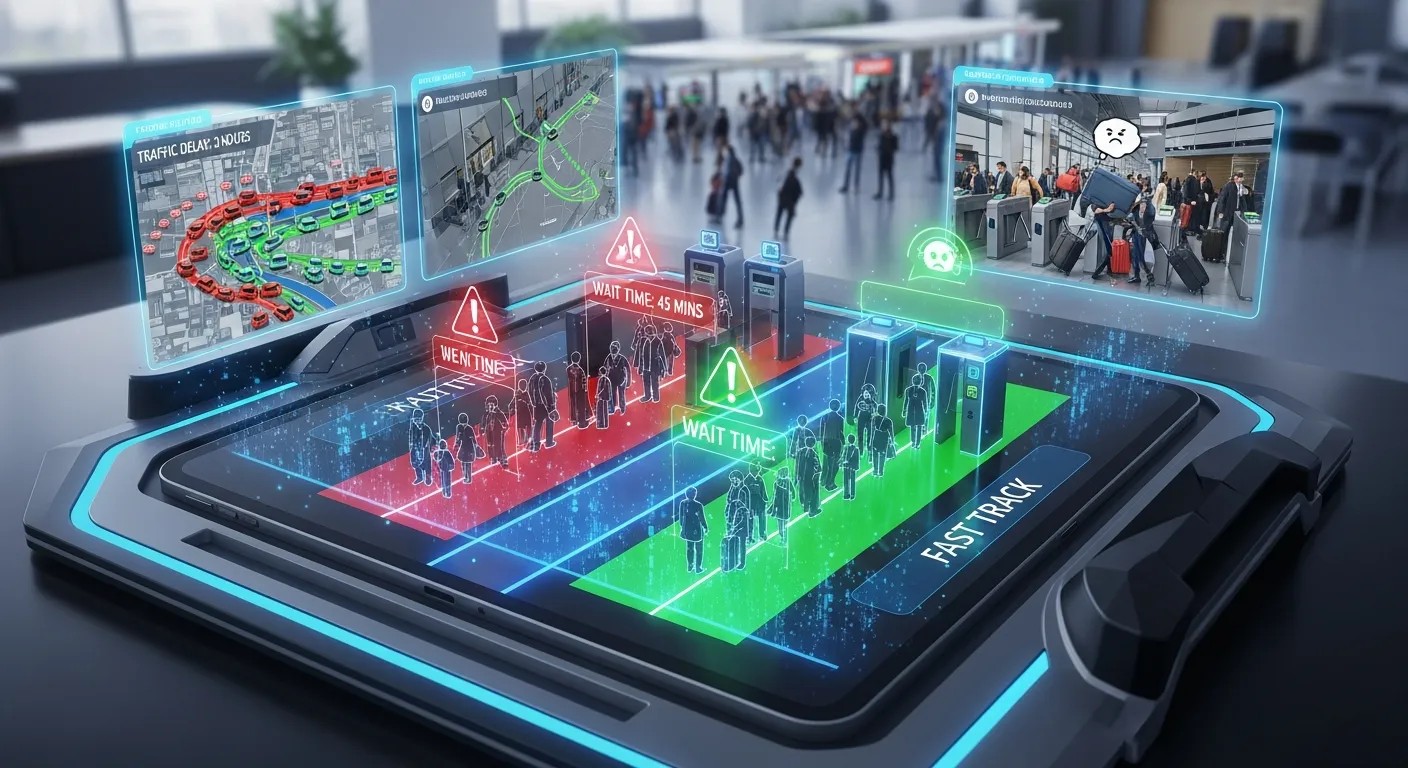
Modern travelers care about more than just reaching a destination. They want a journey that feels manageable. Airport Biometric Tech answers that need by reducing bottlenecks and creating a more predictable exit experience. For families, business travelers, elderly passengers, and frequent flyers, this improvement can change the entire mood of a trip.
One reason biometric technology matters so much is that airports are often emotionally charged places. People are worried about timing, luggage, connections, and paperwork. A smoother system reduces anxiety from the first checkpoint to the last gate. With Airport Biometric Tech, the exit process after arrival can also become much faster, which is especially helpful after long-haul flights when passengers are tired and ready to leave.
At the same time, convenience alone is not enough. Travelers also want safety. Biometric technology can support security teams by making identity checks more consistent and less dependent on manual inspection. That combination of speed and control is what makes Airport Biometric Tech attractive to both airports and passengers.
How Airport Biometric Tech Speeds Up the Passenger Flow
Airport Biometric Tech speeds up travel in several ways. First, it reduces the time spent verifying identity. Traditional document checks can take longer because staff must inspect passports, compare photos, and handle boarding passes. Airport Biometric Tech automates much of that comparison, which shortens each interaction.
Second, Airport Biometric Tech can lower the number of touchpoints. In a conventional airport journey, the traveler may need to show documents repeatedly. In a biometric journey, one verified identity can move with the passenger across multiple checkpoints. That means fewer delays and less crowding around counters and gates.
Third, biometric technology supports better queue management. When identity checks happen faster, lines move more quickly, and airport flow becomes smoother. The result is a calmer environment, which is important because people judge the quality of travel by how much waiting they endure. Airport Biometric Tech helps airports turn waiting time into moving time.
biometric technology also benefits passengers who are running late. Even a few minutes saved at security or boarding can make the difference between catching and missing a flight. That is why many airlines and airports see Airport Biometric Tech as a serious operational advantage rather than just a futuristic feature.
The Human Psychology Behind Biometric Travel
Travel decisions are not purely logical. People remember stress, confusion, and comfort. Airport Biometric Tech improves the emotional side of travel by removing small but repeated frustrations. When passengers do not have to search for papers, fumble with devices, or recheck credentials, they feel more in control.
This is where Airport Biometric Tech has a real psychological effect. It creates a sense of flow. Instead of stopping and restarting at each checkpoint, travelers move through the airport with fewer interruptions. That makes the experience feel shorter, even when the actual distance is the same. A smoother journey feels faster because the mind is not constantly switching between tasks.
biometric technology also builds confidence for first-time travelers and occasional flyers. Airports can feel overwhelming, and manual procedures can make them more intimidating. A simple biometric scan often feels easier to understand than several document-handling steps. When Airport Biometric Tech is intuitive, it lowers the mental barrier to travel.
Where Airport Biometric Tech Is Used in the Journey
Airport Biometric Tech can appear in many places across a trip. The most common points are check-in, security, boarding, and immigration. Some airports also use it for self-service bag drop, lounge entry, and even retail personalization.
At check-in, biometric technology helps confirm the traveler’s identity before the baggage process begins. At security, it can support faster verification without repeated document checks. At boarding, Airport Biometric Tech helps move passengers onto the aircraft with fewer delays and fewer manual interruptions. At arrival, it can make exit faster by allowing quick identity confirmation before passengers leave the terminal.
A growing number of airports are also exploring how biometric technology can connect with digital travel credentials. That could eventually create a more seamless path across borders and carriers. For passengers, that means less repetition and more convenience. For airports, Airport Biometric Tech can improve throughput and reduce pressure on staff.
Sample Airport Touchpoints and Benefits
| Touchpoint | Traditional Process | Biometric Improvement |
|---|---|---|
| Check-in | Manual document review | Faster identity confirmation |
| Bag drop | Repeated ID checks | Streamlined validation |
| Security | Frequent document handling | Quicker passenger flow |
| Boarding | Boarding pass scanning | Facial matching |
| Arrival | Exit queue delays | Faster departure from terminal |
How Airlines and Airports Benefit Operationally
Airport Biometric Tech is not only a passenger convenience feature. It is also an operational efficiency tool. Airports must process large numbers of people every day, often within tight time windows. When Airport Biometric Tech reduces friction, it helps terminals work more predictably.
Staff benefit too. Instead of spending time on repetitive identity tasks, employees can focus on exceptions, support, and service recovery. That makes the human side of the airport more useful. Airport Biometric Tech can also reduce certain types of manual errors because the system relies on machine matching and record-based confirmation.
Airlines gain value from faster boarding and fewer delays. A smoother boarding process can improve on-time performance, reduce gate congestion, and create a better overall impression. Airport Biometric Tech also gives airports and airlines better data on passenger movement, which can improve planning and resource allocation. In a busy terminal, those gains can be significant.
Privacy, Consent, and Passenger Trust
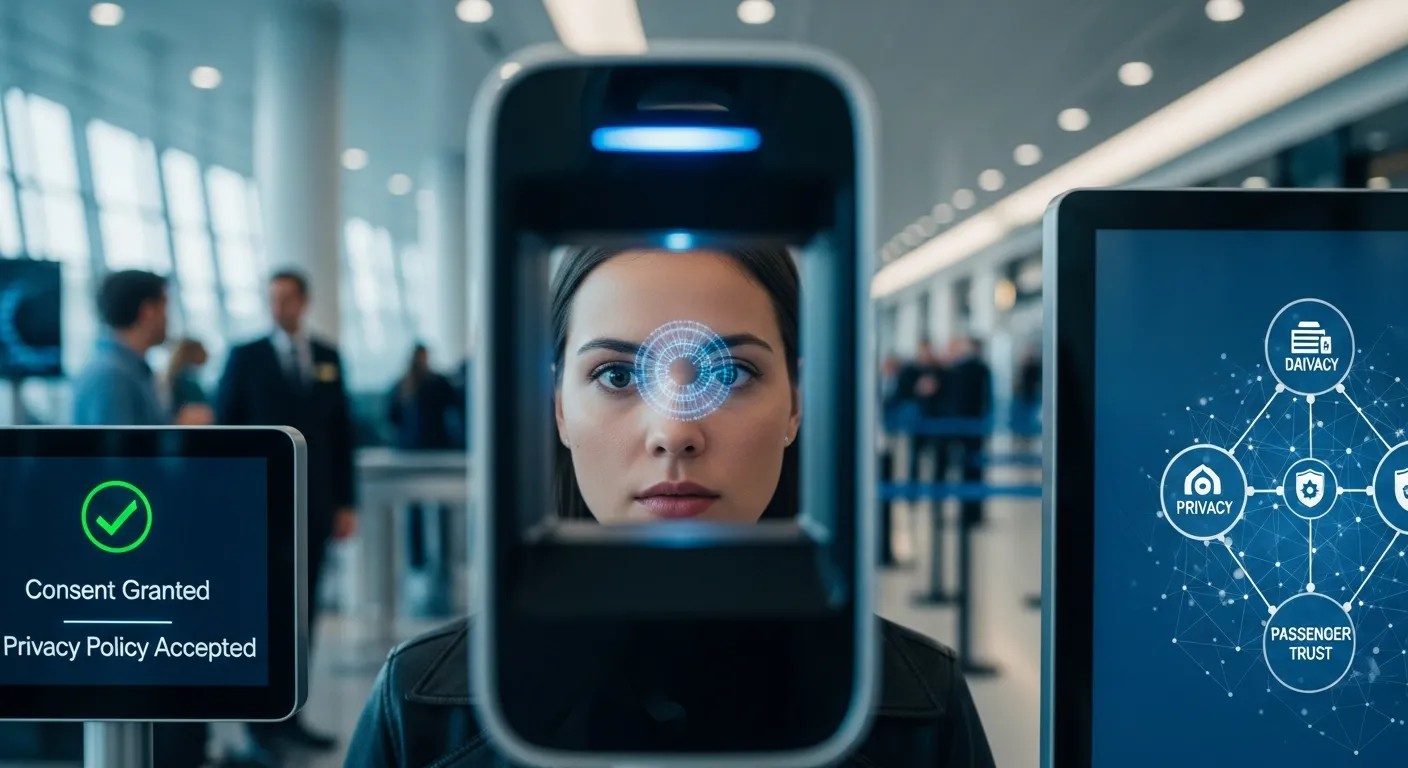
For all its advantages, Airport Biometric Tech must be handled carefully. Identity data is sensitive, and travelers want to know how their information is collected, used, stored, and deleted. Airports that ignore privacy concerns risk losing trust, even if the technology itself is fast.
A good biometric system should be transparent. Passengers should understand what they are enrolling in, how long their data is kept, and whether participation is optional. Clear communication builds trust. So does strong security. If the system is designed with encryption, limited access, and strict retention rules, Airport Biometric Tech becomes more acceptable.
Consent matters as well. Travelers respond better when biometric use is presented as a choice rather than a surprise. That is important because confidence in the airport experience depends on feeling respected. Airport Biometric Tech succeeds when it makes travel easier without making passengers feel watched or trapped.
The Role of Integration in Seamless Airport Experiences
AI Tools to Predict Flight Price One of the most powerful aspects of Airport Biometric Tech is how it connects multiple systems into a single, unified journey. Instead of treating check-in, security, and boarding as separate steps, integrated platforms allow passenger data to flow securely across each touchpoint. This reduces duplication and ensures that once a traveler is verified, the process does not need to restart. Airport Biometric Tech becomes even more effective when airlines, airports, and border authorities share synchronized systems. This level of coordination minimizes errors, speeds up transitions, and creates a consistent experience from entry to exit. As integration improves, travelers will notice fewer interruptions and more continuity, making Airport Biometric Tech not just a feature, but the backbone of a truly seamless airport journey.
Challenges Airports Must Solve Before Scaling
Even though Airport Biometric Tech offers clear benefits, scaling it across major hubs is not simple. Airports need reliable hardware, accurate software, staff training, and integration with airline systems. If any of these elements fail, the experience can become slower instead of faster.
Another challenge is accuracy. Airport Biometric Tech must work well across different lighting conditions, angles, ages, skin tones, and travel situations. Poor performance can create frustration and reduce trust. That is why testing and continuous improvement are essential.
International coordination is also a major challenge. Travel rules differ from country to country, and Airport Biometric Tech must fit within border-control systems, airline procedures, and local regulations. Standardization is not easy, but it is necessary if passengers are to enjoy a consistent experience.
Finally, airports must make sure their systems can serve all travelers fairly. Airport Biometric Tech should not disadvantage people who are uncomfortable with biometrics or unable to use them easily. A good airport design keeps alternative processes available.
Airport Biometric Tech and the Future of Easy Travel
The future of travel is likely to be more digital, more connected, and more automated. Airport Biometric Tech is central to that direction. As more airports and airlines adopt integrated systems, passengers may experience fewer paper-based steps and more identity-based movement.
This future could also reshape how travelers plan trips. Instead of worrying about long queues and multiple checkpoints, people may choose flights based on overall convenience and confidence. That is one reason Airport Biometric Tech matters not just at the terminal, but across the whole travel decision process.
Airport Biometric Tech may also connect with other smart travel experiences. As travelers compare digital comforts and journey speed, they may think about personalization in new ways. A smooth airport experience can feel as impressive as the onboard journey itself, especially when tools such as a VR Flight Cabin Experience begin to influence pre-trip expectations.
Smart Planning, Better Timing, and Travel Decisions
A smoother airport system is only one part of easier travel. Travelers also care about when to book, how to find value, and how to avoid unnecessary stress. Airport Biometric Tech supports the airport side of that experience, but planning still matters.
Many passengers combine airport convenience with strategies such as Flight Routing Hacks to reduce connections and simplify movement. They also look for AI Tools to Predict Flight Price so they can time bookings more intelligently. Others rely on Cheap Flight Hacks to balance cost with comfort and use guidance about the Best Time to Book International Flights to improve their chances of better fares.
When all of these decisions work together, travel becomes less chaotic. Airport Biometric Tech helps people move faster through the airport, while smarter planning helps them arrive with less financial and emotional pressure. That combination is what modern travelers increasingly want.
What Passengers Should Do to Prepare
Travelers can make the most of Airport Biometric Tech by preparing before arriving at the airport. The first step is to understand whether the airline or airport supports biometric enrollment. If enrollment is available, passengers should review the consent terms and verify that their travel documents are up to date.
It also helps to keep booking details consistent. Name mismatches can interfere with identity matching, which is why careful data entry matters. Airport Biometric Tech performs best when the traveler’s information is clean and aligned across systems. It is also wise to arrive with enough time for the first enrollment experience, since the initial setup may take longer than later trips.
Passengers should also stay aware of privacy choices. Some people will be fully comfortable with biometrics, while others may prefer conventional ID checks. Both are valid. Airport Biometric Tech should improve travel, not create pressure.
The Business Case for Seamless Airports
For airports, every minute matters. Delays affect operations, staff workload, passenger satisfaction, and even commercial revenue. Airport Biometric Tech helps by reducing the small delays that add up over time. When more people move smoothly through the airport, the whole system becomes more efficient.
That efficiency can improve retail behavior too. Travelers who are not stuck in lines may have more time and attention for food, shopping, or lounge services. At the same time, the airport feels less crowded and more modern. Airport Biometric Tech can therefore support both operational goals and passenger experience goals.
Airports that adopt this model also send a signal about innovation. In a competitive travel market, that matters. People notice when a terminal feels organized and easy to navigate. Airport Biometric Tech becomes part of the airport’s brand.
Common Misunderstandings About Biometric Travel
Some travelers assume Airport Biometric Tech is complicated or invasive by default. In reality, the experience is often quite simple when the system is well designed. A quick face scan or fingerprint check can be easier than repeated paperwork.
Others believe Airport Biometric Tech is only for premium travelers. That is also changing. More airports are rolling out biometric systems across broader passenger groups because the efficiency benefits apply to everyone. The value of Airport Biometric Tech grows when it is used at scale.
A third misunderstanding is that biometrics replace human service. They do not have to. The best systems use Airport Biometric Tech to remove repetitive tasks so staff can focus on help, exceptions, and hospitality. That is how technology should work in a people-centered airport.
Case for a More Comfortable Journey
A better travel experience is not only about being fast. It is about feeling unburdened. Airport Biometric Tech supports that goal by reducing paperwork, shortening queues, and creating a more confident flow through the airport. Travelers are not just saving minutes. They are saving attention, energy, and patience.
That is why Airport Biometric Tech fits so naturally into the future of travel. People want journeys that feel simpler from start to finish. They want systems that respect their time and reduce uncertainty. They want airports that work with them instead of making every step feel like a test. Airport Biometric Tech answers that demand in a practical, scalable way.
Conclusion
Airport Biometric Tech is becoming one of the clearest examples of how technology can make travel better without making it colder or more difficult. When it is implemented with care, it can reduce queues, speed up exit, improve boarding, and give passengers a calmer and more predictable journey. It also helps airports operate more efficiently while creating a modern impression that travelers remember. The real promise of biometric systems is not just automation. It is ease. It turns the airport from a place of repeated interruptions into a place of smoother movement, better control, and less stress. As the travel industry keeps evolving, Airport Biometric Tech will likely remain central to the idea of faster, easier, and more human-centered travel.
Frequently Asked Questions (FAQ)
What is biometric travel?
biometric technology is the use of unique identity features such as face, fingerprint, or iris data to verify travelers quickly at airport checkpoints.
How does biometric travel make travel faster?
biometric technology reduces repeated manual checks, shortens queues, and helps passengers move through check-in, security, boarding, and arrival more efficiently.
Is biometric travel safe?
When designed properly, biometric technology can be safe because it uses controlled identity matching and secure data handling. Trust depends on privacy rules and system quality.
Does biometric travel replace passports?
Not always. In many cases, Airport Biometric Tech works alongside passports or other documents, depending on airport rules and border requirements.
Why do airports invest in biometric technology?
Airports invest in Airport Biometric Tech to improve passenger flow, reduce congestion, support staff efficiency, and create a smoother airport experience.
Can biometric technology reduce boarding delays?
Yes. Airport Biometric Tech can speed up identity confirmation at the gate, which helps reduce boarding congestion and last-minute delays.
Is biometric technology only for international airports?
No. Airport Biometric Tech can be used in both international and domestic airports, depending on infrastructure, airline cooperation, and local policy.
What should travelers check before using Airport Biometric Tech?
Travelers should check enrollment requirements, privacy terms, name consistency across booking details, and whether participation is optional.
Will Airport Biometric Tech work for everyone?
Most systems aim to work for a wide range of passengers, but airports should also offer alternative processes for travelers who prefer not to use biometrics.
What is the future of biometric technology?
The future of Airport Biometric Tech points toward more connected, faster, and less repetitive travel experiences with smoother movement across the airport journey.